
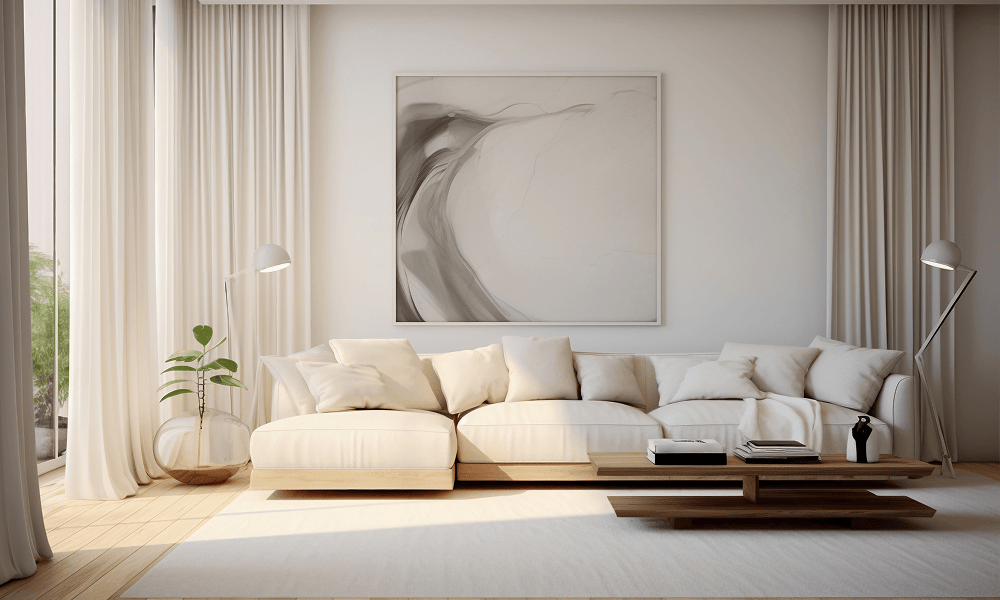
Interior design is more than just arranging furniture and picking out pretty colors. It’s the art and science of creating functional, aesthetically pleasing spaces that reflect personality, culture, and lifestyle. Whether you’re renovating a single room or designing your dream home, understanding the fundamentals of interior design can help you make informed choices that elevate your space.
In this comprehensive guide, we’ll explore what interior design is, its history, popular styles, essential principles, and tips for beginners who want to create beautiful, practical interiors.
What is Interior Design?
Interior design is the practice of enhancing the interior of a building to achieve a healthier and more visually pleasing environment. It combines creativity, functionality, and technical knowledge. An interior designer considers layout, color, furniture, lighting, and décor to bring harmony to a space.
The History of Interior Design
Interior design has evolved over centuries, influenced by culture, art, architecture, and technology.
Ancient Civilizations
- Egyptian interiors featured bold colors, detailed carvings, and symbolic décor.
- Greek and Roman designs emphasized symmetry, columns, and luxurious materials like marble.
Medieval to Renaissance
- Medieval interiors focused on heavy wood and religious symbolism.
- Renaissance interiors brought elegance, frescoes, and artistic expression.
Modern Era
From the 20th century onward, interior design shifted towards functionality and minimalism, influenced by industrialization and global cultural exchange.
Why Interior Design Matters
Interior design impacts how we feel, behave, and interact in a space.
- A well-designed office boosts productivity.
- A cozy home promotes relaxation.
- A balanced restaurant layout can improve customer experience.
Design isn’t just about looks—it’s about creating environments that improve quality of life.
Key Principles of Interior Design
To design effectively, professionals rely on several guiding principles.
1. Balance
Balance creates a sense of stability. It can be:
- Symmetrical – equal arrangement on both sides.
- Asymmetrical – different objects creating harmony.
- Radial – elements arranged around a central point.
2. Rhythm
Repetition of patterns, colors, or shapes adds flow and movement to a room.
3. Harmony and Unity
Every element should feel connected, contributing to a cohesive look.
4. Proportion and Scale
Furniture and décor should match the size of the room. Oversized couches in a small space may overwhelm, while tiny furniture in a large space feels lost.
5. Contrast
Mixing light and dark, rough and smooth, or modern and vintage adds visual interest.
6. Functionality
A beautiful space must also be practical—consider traffic flow, comfort, and usability.
Popular Interior Design Styles
Interior design styles reflect personal taste, culture, and trends. Here are the most popular ones:
1. Modern Interior Design
- Clean lines, neutral colors, and minimal clutter.
- Focuses on simplicity and functionality.
2. Contemporary Style
- Similar to modern but more fluid and ever-changing.
- Incorporates current design trends.
3. Minimalist Design
- “Less is more” philosophy.
- Neutral tones, limited furniture, and clutter-free spaces.
4. Scandinavian Design
- Inspired by Nordic simplicity.
- Features light wood, white walls, and cozy textiles.
5. Industrial Style
- Exposed bricks, pipes, and raw materials.
- Urban loft-like aesthetic.
6. Traditional Style
- Rich colors, ornate furniture, and classic patterns.
- Inspired by European décor.
7. Bohemian (Boho) Style
- Eclectic mix of colors, textures, and patterns.
- Embraces creativity and global influences.
8. Rustic Design
- Natural elements like wood and stone.
- Creates a warm, cabin-like feel.
9. Transitional Design
- Blend of traditional and modern elements.
- Offers a balanced, timeless look.
Interior Design Elements to Consider
When designing, several elements must work together:
1. Color
- Sets the mood of a room.
- Warm tones (reds, oranges) create energy.
- Cool tones (blues, greens) promote calmness.
2. Lighting
- Natural and artificial lighting transform spaces.
- Task lighting (desk lamps), ambient lighting (ceiling lights), and accent lighting (spotlights) all serve different purposes.
3. Furniture
- Functionality meets aesthetics.
- Scale, comfort, and durability matter.
4. Texture
- Adds depth and interest.
- Can be soft (fabrics) or hard (wood, metal).
5. Space
- Open vs. closed layouts.
- Balance between empty and filled spaces.
6. Accessories
- Rugs, art, plants, and decorative objects personalize a room.
Interior Design Tips for Beginners
If you’re starting your design journey, here are some helpful tips:
H3: Start with a Vision
Collect inspiration from magazines, Pinterest, or showrooms. Define the mood you want to create.
H3: Choose a Color Palette
Stick to 2–3 primary colors with a few accents to avoid cluttered looks.
H3: Invest in Key Furniture
Spend on essential pieces like sofas and beds—quality matters.
H3: Play with Lighting
Layer different types of lighting for functionality and atmosphere.
H3: Add Personal Touches
Family photos, souvenirs, and custom art make spaces unique.
The Future of Interior Design
With technology and sustainability shaping modern living, future interior design trends include:
- Smart homes with integrated technology.
- Eco-friendly designs using recycled materials.
- Biophilic design, bringing nature indoors with plants and natural light.
- Multifunctional spaces as urban living spaces get smaller.
Conclusion
Interior design is both an art and a science that enhances how we live and interact with spaces. From historical roots to modern innovations, it continues to evolve while reflecting personal style and cultural values. Whether you prefer minimalism, bohemian vibes, or traditional elegance, the right design principles and creativity can turn any room into a beautiful, functional masterpiece.
Designing your space is ultimately about creating a home that feels like you. With the right balance of colors, furniture, lighting, and accessories, anyone can master the art of interior design.